

Key Points
- Understanding Common Barriers: Explore the usual suspects that make healthy eating feel impossible and learn how to identify them.
- Time Constraints and Meal Prep Tips: Discover effective meal prep techniques that save time and support your healthy eating goals.
- Navigating Social Influences: Understand how social situations can derail your healthy eating and find ways to stay on track.
Identifying Common Barriers to Healthy Eating
Look, we’ve all been there. You’re ambitious about changing your eating habits, but life throws roadblocks left and right. Maybe you’ve got a jam-packed work schedule, kids to feed, or just the temptation of that pizza calling your name from the corner of the room. I remember when I tried to ditch fast food during a hectic week—it felt like I was battling my own cravings against a tide of convenience. The truth is, understanding the common barriers to healthy eating is the first step in overcoming them.
One significant barrier? Time. Who has hours to cook a gourmet meal when you can microwave a frozen dinner in five minutes? It’s a struggle many of us face. A survey I read mentioned 43% of people claim they just don’t have the time to eat healthy. Sound familiar?
Then there’s our environment. If your kitchen is stocked with junk food, it’s like putting a kid in a candy shop and telling them not to touch anything. Our surroundings can heavily influence our food choices. Availability plays a huge role. Ever walked into a gas station and spotted an array of chips and soda? It’s called impulse eating for a reason.
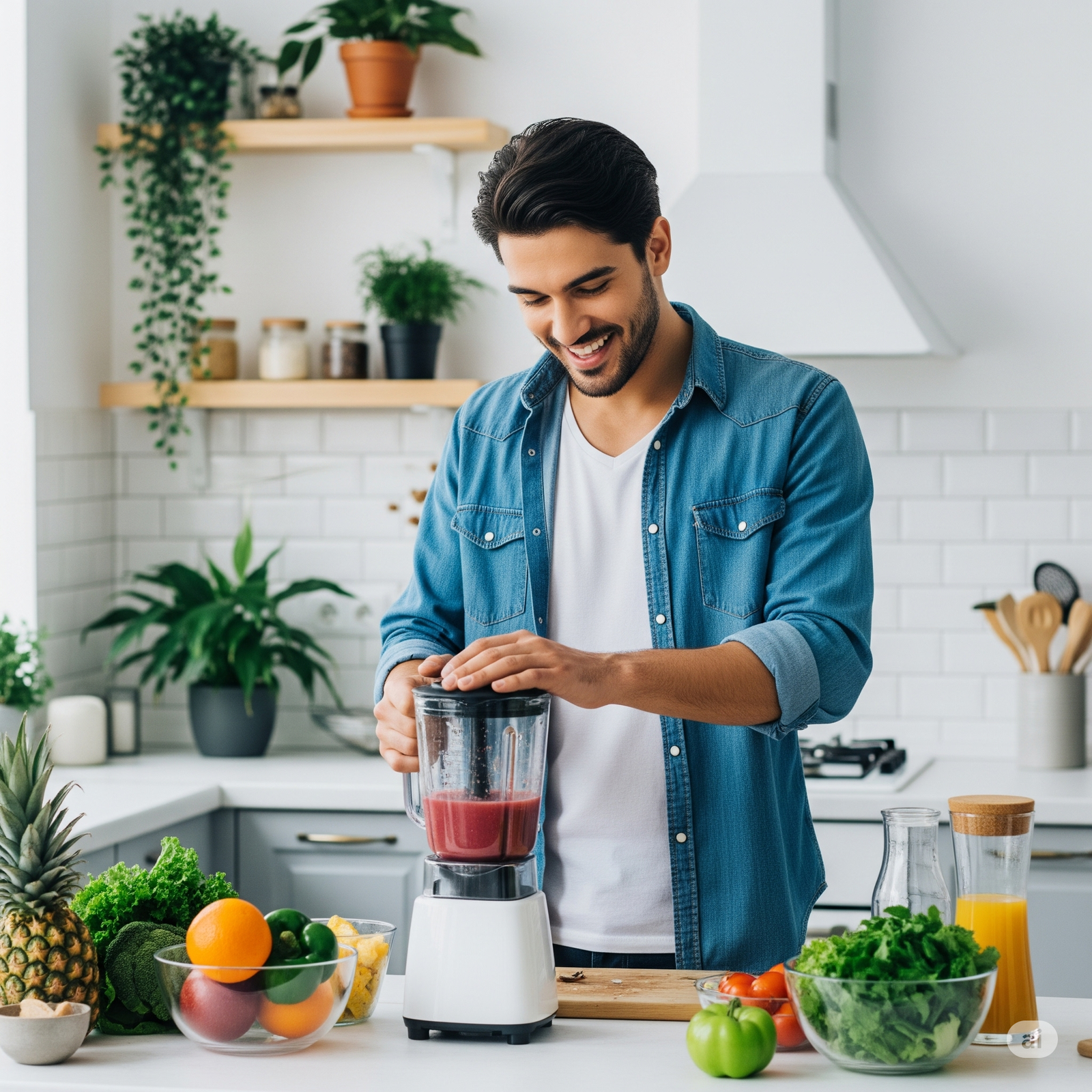
I’ve found that setting up an environment conducive to healthy eating can make a world of difference. Stock your fridge with vibrant fruits and greens, and suddenly, crafting a quick salad feels effortless. It’s about making healthy options the easy ones.
Lastly, let’s not forget about social influences. Ever found yourself at a dinner party where the spread is mostly deep-fried and your diet plan is more of an afterthought? Peer pressure is real, and many of us want to fit in. That’s why it’s crucial to communicate your goals with friends and family so they can help support your journey instead of sabotage it. In my experience, a simple heads-up can lead to the most accommodating dinner plans. So, it’s all about recognizing and naming your barriers before you can truly tackle them head-on.
Personal Experiences with Barriers
I recall a time when I was constantly out of my routine—between juggling work deadlines and family commitments, my diet took a backseat. Fast food became my go-to, and naturally, I felt sluggish. Finding personal motivation was tough, but once I identified my time constraints and lack of planning, I was able to implement small changes that snowballed into bigger ones.
Time Constraints and Meal Prep Strategies
Now we get to the meat of the matter—literally and figuratively! If lack of time is the roadblock standing between you and a healthy meal, let’s talk about how to conquer it with some effective meal prep strategies. It’s easier than you think! In fact, meal prepping can not only save you time but also reduce your stress about what to eat during the week.
I’ve experimented a lot with meal prep over the years, and I’ve found that dedicating a few hours on Sunday to prep can set my meals up for the entire week. Seriously! Start by planning your meals ahead of time. You don’t need to create a Michelin star experience; just keep it simple. Say you want to eat healthier lunches. Pick two or three proteins, a couple of vegetables, and maybe a complex carb. It’s all about creating variety without overwhelming yourself.
Then comes the actual prep. Wash and chop those veggies, cook your proteins in bulk, and portion everything out into containers. I can’t tell you how freeing it is to open the fridge and see a colorful array of prepped meals. Not only does it make healthy eating look appealing, but it makes choosing wisely a no-brainer. You just grab and go!
Here’s the deal: don’t be afraid to get creative! Switch it up every week to avoid meal fatigue. One week, I’m all about stir-frying; another week, Italicized, I might try out some slow cooker recipes. Easy, right? And let’s not even get started on how frozen meals can be a lifesaver. Just because it’s convenient doesn’t mean it has to be unhealthy.
Don’t forget about snacks either! Pre-portion healthy snacks like nuts or sliced fruits to grab while hustling through your day. It’s all those little things, folks; when everything’s prepped and ready, saying yes to a healthy eating lifestyle becomes so much easier.
Real-Life Meal Prep Example
I tried my hand at meal prepping last year, and it was a game changer! My go-to was a big batch of quinoa salad with mixed veggies—it’s hearty, fresh, and super easy to make. I’d whip it up on Sundays, and it would last me all week. When work got overwhelming, it was such a relief to have something healthy waiting for me.
Navigating Social Influences
Alright, let’s chat about one of the biggest roadblocks that often flies under the radar: social pressures. You know how it goes—you’re at a friend’s birthday bash, and there’s a cake that looks oh-so-delicious. Or maybe you’re at a family gathering, where Aunt Mabel has made her famous casserole, and saying ‘no’ feels impossible. Here’s the thing: it’s entirely okay to indulge occasionally, but how do we manage those sticky situations when you’re trying to be healthy?
I remember one time I decided to go vegetarian for a month. It was challenging—especially during social events. Friends would ask, ‘What do you mean you don’t want my meatloaf?’ It can feel like a spotlight’s been put on you when you’re trying to stick to your goals amidst family and friends who don’t share your eating habits.
The first step here is communication. Let your friends and family know what your goals are and why you are making these changes. Most people will totally back you up—once they know you’re committed, they might even throw in a healthy dish of their own to support you.
Next, let’s talk strategies. When you’re out, consider scanning the menu ahead of time. Most places have their menus online now, so you can plot a course before stepping foot inside. I often aim for dishes that are loaded with veggies or lean proteins—something I can count on to align with my goals. And if all else fails, don’t be afraid to use the “I’m full” tactic. We love leftovers, right? Just take a portion home instead of forcing yourself to eat any more than necessary.
Next time you’re at a social event, gravitate towards the veggie platters (and don’t be shy about taking the bigger sharing portions). I think it can be empowering to find ways to enjoy yourself without feeling left out or guilty about your choices. The social aspect of eating doesn’t have to mean abandoning your healthy eating goals; it’s just about finding that balance.
Communicating Your Goals
I’ve found that being upfront about my dietary choices has really made a difference in group settings. Friends are often more supportive than we think! When I told them about my vegetarian month, they surprised me with creative veggie dishes at potlucks instead of just wondering why I wasn’t eating their meat dishes.
Overcoming Emotional and Psychological Barriers
Look, food isn’t just fuel. There’s a history, an emotion tied up in our relationship with what we eat. Many of us turn to food for comfort. For instance, after a rough day, nothing feels better than curling up on the couch with a tub of ice cream. But at the end of the day, you’re left feeling guilty and sluggish. Here’s the deal: understanding the emotional attachments we have with food is essential for healing that relationship.
I’ve been guilty of emotional eating myself. There was a time I took stress from work and turned it into snacking on chips when I should have been going for a walk. Recognizing when I was eating out of boredom, stress, or comfort was a major breakthrough for me. That self-awareness can lighten the load and help shift the way we approach our meals.
One way to combat emotional eating is through mindfulness. Try asking yourself: ‘Am I truly hungry, or am I just tired/stressed/overwhelmed?’ If you slow down and really check in with yourself, you might find that grabbing a snack isn’t necessary. When I practice mindfulness, it has led me to healthier decisions and sometimes even just a soothing cup of tea instead of heading for the nachos.
Another approach? Find healthier alternatives to cope. Swap out high-calorie treats for a mix of nuts and dried fruits. Or perhaps grab a piece of fruit when your sweet tooth kicks in. Let’s face it, people. These small adjustments can lead to big wins during those rough patches—especially since you’re creating new, healthier emotional coping mechanisms.
The struggle is real, but rebuilding that relationship doesn’t have to be so overwhelming. It’s about taking small steps and embracing the process. What if, instead of beating yourself up over a bad choice, you embrace the journey and learn from it instead? Now, that’s a game changer!
Personal Mindfulness Journey
When I first began practicing mindfulness, I found it challenging. It took me a while to learn to pause before reaching for snacks. Now, I can often tell if it’s actual hunger or just my brain looking for a distraction. This change has made a world of difference in how I eat!
Building a Support System
Here’s a reality check: embarking on a journey to healthy eating can feel isolating at times. You might feel like you’re swimming against the current when your friends are ordering burgers, and you’re over here eyeing the salad. It’s moments like these when having a support system becomes vital. Without it, roadblocks grow taller, and our willpower can feel like it’s dwindling.
I’ve been fortunate to find a group of friends who are on similar paths. When one of us starts to falter, the rest rally around with encouragement. Just the other day, my buddy shared a great recipe that inspired us all to connect and meal prep together! Now more than ever, I think it’s crucial to lean on others for accountability and friendship.
Consider joining local or online communities that share the same goals. Websites, social media groups, or even local workout classes can provide that much-needed encouragement. Trust me, it helps when you see others making progress, too. You can share tips, struggles, and victories together because the journey is much more enjoyable with company.
And don’t be afraid to seek professional support, whether that’s working with a dietitian or a therapist. I once attended a nutrition workshop that not only educated me about healthy eating but also put me in touch with like-minded individuals. It was refreshing to share struggles and successes in such an open environment. Having a friendly face on this journey can do wonders for your motivation.
Remember, finding a support system isn’t about perfection; it’s about companionship and camaraderie. You want people who lift you up instead of dragging you down with negativity. Celebrate each step along the way, and make it a team effort!
Establishing Connections
In my experience, joining a local running group not only improved my fitness levels but also connected me with people who understood my healthy eating struggles. We exchange recipes, share each other’s posts on social media, and sometimes even have potlucks where healthy food is the star of the show!
Creating Sustainable Change
At the end of the day, the key to success is creating sustainable changes. Look, if you’ve successfully tackled roadblocks and started implementing healthier choices, that’s a huge win! But what happens when the novelty wears off? How do we turn those changes into lifelong habits?
I used to think that diet changes meant adhering rigidly to a ‘new normal’—no pizza, no dessert, just spinach and quinoa. Been there, done that! But here’s the reality: strict diets often lead to burnout. It’s like trying to sprint when you signed up for a marathon.
Start small and cultivate habits that fit your lifestyle. Maybe you swap out soda for sparkling water once a week or add an extra portion of veggies to dinner. These teeny changes lead to healthier perspectives on food, and they’re way easier to maintain compared to drastic overhauls.
Celebrate your successes! When I start feeling unmotivated, I reflect on where I was before. Some days you might nail it, and others, not so much, and that’s perfectly okay. Being gentle with ourselves fosters that sustainability.
Also, remember it’s about balance. You can indulge in a treat without guilt; it doesn’t equal failure. I still enjoy my occasional pizza night—it doesn’t unravel all my hard work. The idea is to enjoy life while being mindful about nutrition, and let’s face it, that sounds way more fun, doesn’t it?
So, focus on progress, not perfection. The more you emphasize sustainable changes rather than restrictions, the easier healthy eating becomes a lifestyle choice rather than a chore. Now that’s the sweet spot everyone wants!
My Journey Towards Sustainability
I’ve learned to make healthy changes that aren’t extreme. For example, I swapped out sugary snacks for fruit now and then, but I’ll still enjoy a small dessert if I’m celebrating something special. It’s about finding that middle ground that works for me!



Leave a Reply