

Key Points
- Mindset Matters: Building sustainable habits starts with changing your mindset about health and finances.
- Prioritize Multifunctional Spending: Invest in health and convenience. Smart spending can save you money and time.
- Track, Adjust, Repeat: Monitoring your progress is key to maintaining and improving your health and financial habits.
The Mindset Shift: Why Health Money Habits Matter
Let’s face it: we all want to live healthier lives, but it often seems like the financial barrier is too high to jump. Here’s the deal: health and finances are intertwined like a well-woven tapestry. I’ve found that making a switch in how you think about these two things can be the key to sustainable lifestyle changes. Ever wondered why some folks can eat kale salads daily while still affording vacations? It’s about developing health money habits that keep the balance.
So, how do you start this transformation? First, begin by realizing that healthy choices don’t have to break the bank. It’s all about making savvy decisions. For instance, I used to think dining out was my only option until I discovered meal prepping. By investing a few hours on Sunday, I can whip up nutritious meals for the week, cutting those expensive takeout costs. It’s a win-win!
Additionally, re-evaluate your definition of ‘health’—is it just about eating well? In my experience, mental wellness plays a huge role. Investing in a gym membership or a meditation app may seem redundant, but in the long run, your mental health can lead to better productivity and stability. Think about the long-term benefits rather than just immediate pleasure.
Don’t forget about community—ever heard of potluck dinners? You get an array of healthy dishes while splitting the cost. Check this out: cooking at home isn’t just healthier; it’s cheaper too! When I realized that I could create meals using fresh ingredients instead of relying on frozen microwave dinners, I saved substantial amounts every month.
In the grand scheme of your life, developing a mindset focused on sustainable living will change the way you perceive both health and money. You’re not just cutting costs; you’re investing in your future self.
Health as an Investment
Think about the fact that each dollar spent on your health today can prevent spending thousands in medical bills down the line. That’s an investment to celebrate!
Smart Spending: Multifunctional Investments
Now, let’s talk about spending smart. Look, anyone can purchase junk food every week for less than the cost of a salad, but it’s about finding balance. I’ve discovered that some of the best health money habits revolve around multifunctional spending. What does that mean? It means buying things that serve more than one purpose.
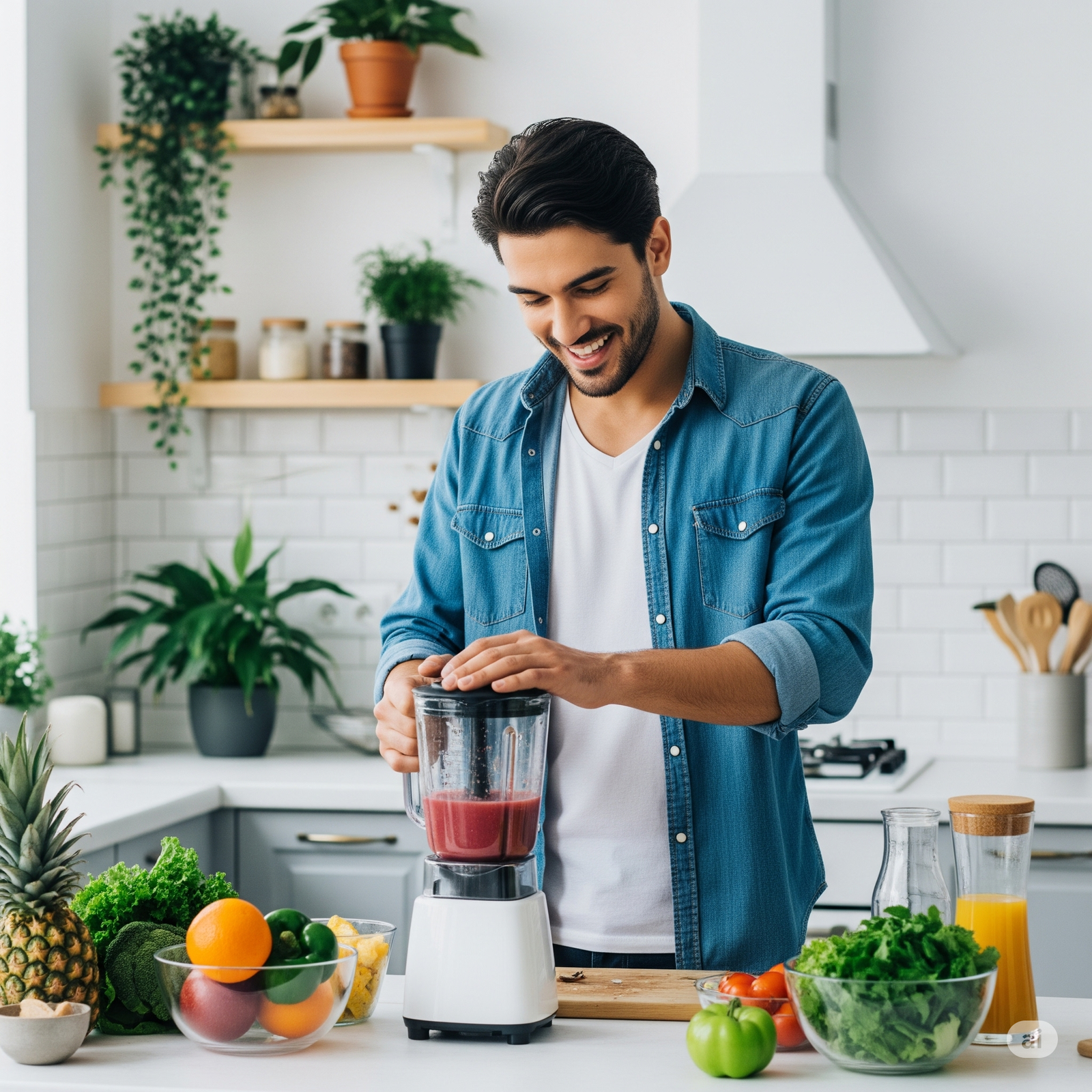
For example, if you’re spending money on a fancy gadget, ask yourself: can it help improve my health too? I invested in a blender that not only whips up smoothies but also soups, sauces, and even helps with homemade nut butter. Suddenly, a solitary purchase transformed into a one-stop solution for healthy meals. If you can combine your wants, you win.
Growing your own herbs or vegetables is another fantastic way to merge health with spending. I remember when I started my little herb garden. It cost me a bit upfront, but having fresh basil for my dinner or mint for my tea reduced my grocery bill over time substantially. Plus, there’s something incredibly satisfying about growing your own food. It adds a whole new level of flavor to your dishes and a sense of accomplishment.
And don’t overlook this gem: joining community-supported agriculture (CSA) can save you tons in grocery bills while providing fresh produce. You’ll receive a box brimming with seasonal veggies for a fraction of what you’d pay at the store. The added bonus? You’re supporting local farmers. It’s a fabulous way to embrace a healthier lifestyle while also benefiting your budget.
Finding ways to engage in multifunctional spending not only uplifts your financial health but enhances your overall well-being. Every dollar spent deliberately enhances the life you want to live.
The Win-Win of Growing Your Own
Harvesting your own vegetables brings in a rewarding element while cutting down on your grocery expenses, not to mention ensuring organic quality!
Tracking and Adjusting: A Sustainable Habit
Alright, if you want to seriously commit to lasting change, tracking and adjusting is your best friend. I talked to a friend who started monitoring their food intake alongside their expenses. Sound tedious? I thought so too, at first! But once I began using apps to keep tabs on my calorie consumption and spending, it became a game changer.
Here’s the truth: when you track what you eat and what you spend, you’ll uncover patterns that lead to better decisions. Ever noticed how sometimes you reach for that bag of chips because you’re bored and not hungry? The same applies to unnecessary purchases—especially during big sales! I learned to ask myself if I really need something before I swipe that card.
But just saying you should track isn’t enough, right? Here’s the deal—find a system that works for you. I’ve experimented with spreadsheets, journals, and apps. Each had its perks and quirks. The more you track, the more insights you’ll glean about your habits. After a couple of months of diligent tracking, I spotted a trend: I was spending too much on grocery delivery services. By making a simple habit of preparing my grocery list ahead of time and scheduling shopping days, I saved over $100 a month and felt a sense of accomplishment every time I saw my savings grow.
It’s essential to be realistic too; adjust your goals. If you find it hard to drop takeout completely, try cutting it back gradually. You’re more likely to stick with it! That little flexibility matters in the long run. The most sustainable health money habits don’t just come from strict rules but from making choices that fit into your lifestyle.
In my experience, keeping an open line of communication with yourself about finances and health helps curb bad habits before they become too established. Remember, tracking isn’t about punishment; it’s about awareness.
Forging Awareness
Once you become aware of your spending and eating habits, you can create targeted plans to change those bad habits into health money habits.
The Community Connection: Building Supportive Networks
Ever heard the saying, ‘It takes a village’? That couldn’t be more accurate when developing health money habits that build sustainable lifestyles. Here’s the thing: we’re social creatures, and surrounding ourselves with supportive folks can be game-changing. When I started attending community fitness classes, I met like-minded peers who were all on their unique journeys. It made a world of difference; accountability became natural, not forced.
Engaging in group activities not only motivates you but also fosters camaraderie. Just recently, a friend and I went on a local hike. We made it a potluck picnic afterward! We pooled our resources for a delightful spread, sharing recipes and giving each other tips on healthier bites. Not only was it fun, but we highlighted how spending together could turn healthy eating into a joyful experience.
Local community events—think farmers’ markets, wellness fairs—are also fantastic spots to collect knowledge and build your network. I landed on an amazing health food co-op that helps source organic goods and often gives discounts for members. By tapping into community resources, I’ve saved loads while boosting my health game.
Plus, let’s not discount the power of online spaces. Have you ever joined health and finance forums? I have, and my perspective widened immensely. Peer feedback on budgeting hacks for healthy food choices opened new avenues for my family’s meals.
Surrounding yourself with people who share your goals creates a positive vibe and softens those challenging pathways. After all, when the going gets tough, someone’s always ready to cheer you on or share a delicious recipe as a way to bridge financial and health goals.
Accountability Partners
Finding a buddy to share your path with boosts morale and motivation, making those tough days feel manageable.




Leave a Reply