

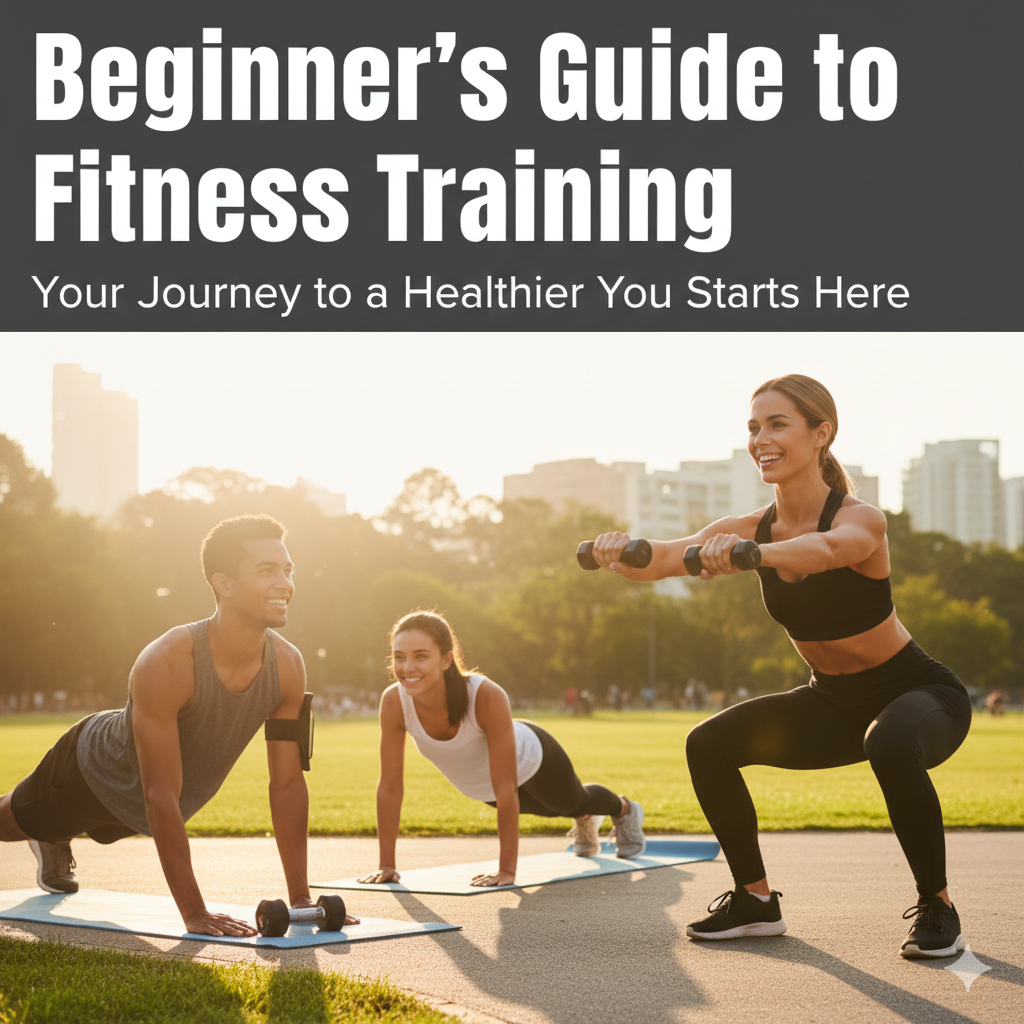
Start Your Fitness Journey the Right Way
Starting fitness training can feel overwhelming, especially if you’re new to exercise or returning after a long break. The good news? You don’t need fancy equipment, extreme diets, or intense routines to get started. This Beginner’s Guide to Fitness Training will help you build a strong foundation, stay consistent, and avoid common mistakes.
Why Fitness Training Is Important
Regular fitness training helps you:
- Improve strength and stamina
- Maintain a healthy weight
- Boost mental health and confidence
- Reduce the risk of lifestyle diseases
- Increase flexibility and mobility
For beginners, the goal is progress, not perfection.
Step 1: Set Realistic Fitness Goals
Before starting, ask yourself:
- Do I want to lose weight?
- Build muscle?
- Increase stamina?
- Improve overall health?
Set SMART goals—Specific, Measurable, Achievable, Relevant, and Time-bound.
Example: “I want to work out 30 minutes, 4 days a week for the next month.”
Step 2: Choose the Right Type of Training
As a beginner, focus on a mix of the following:
1. Strength Training
- Builds muscle and improves metabolism
- Use bodyweight exercises like squats, push-ups, lunges, and planks
- Start with 2–3 days per week
2. Cardio Training
- Improves heart health and burns calories
- Walking, jogging, cycling, skipping, or dancing
- Aim for 20–30 minutes per session
3. Flexibility & Mobility
- Stretching and yoga help prevent injuries
- Improves posture and recovery
- Practice after workouts or on rest days
Step 3: Create a Simple Beginner Workout Plan
Sample Weekly Fitness Routine:
- Day 1: Full-body strength workout
- Day 2: Cardio + stretching
- Day 3: Rest or light activity (walking)
- Day 4: Strength training
- Day 5: Cardio
- Day 6: Yoga or mobility
- Day 7: Rest
Consistency matters more than intensity.
Step 4: Focus on Proper Form
Using correct form reduces injury risk and improves results.
- Start slow
- Watch instructional videos or follow a trainer
- Stop if you feel sharp pain (normal soreness is okay)
Step 5: Nutrition Basics for Beginners
You don’t need a strict diet—just balanced nutrition:
- Eat more whole foods (fruits, vegetables, whole grains)
- Include protein in every meal
- Stay hydrated
- Avoid excessive junk food and sugary drinks
Remember: You can’t out-train a bad diet.
Step 6: Rest, Recovery & Sleep
Muscles grow when you rest—not during workouts.
- Sleep 7–8 hours daily
- Take rest days seriously
- Stretch after workouts
Recovery helps you stay consistent long-term.
Common Fitness Mistakes Beginners Should Avoid
- Doing too much too soon
- Skipping warm-ups and cool-downs
- Comparing yourself to others
- Ignoring rest and recovery
- Giving up too early
Progress takes time—be patient with yourself.
Final Thoughts
Fitness training for beginners is about building habits, not chasing instant results. Start small, stay consistent, and enjoy the journey. Over time, your strength, confidence, and health will naturally improve.
Your fitness journey begins with the first step—start today.











Leave a Reply