

Key Points
- Plan Your Meals: Meal planning helps save money and time while ensuring you eat nutritiously.
- Smart Grocery Shopping: Learn to navigate the grocery store like a pro, scoring fresh produce at killer prices.
- Cooking at Home: Home-cooked meals are not only healthier but also much more cost-effective than takeout.
Getting Started: The Basics of Eating Healthy on a Budget
Alright, let’s be real. Trying to eat healthy on a budget can feel like a massive juggling act. But it doesn’t have to be a circus act! I mean, who hasn’t stared down a grocery bill and thought about moving to a cave where food’s free and all that? Here’s the thing — it’s all about mindset and a bit of strategy. When I first started down this road, I had no idea what I was doing. I’d get to the store with a vague plan and leave with four types of cheese and frozen pizza. Turns out, the answer lies in planning and prioritizing.
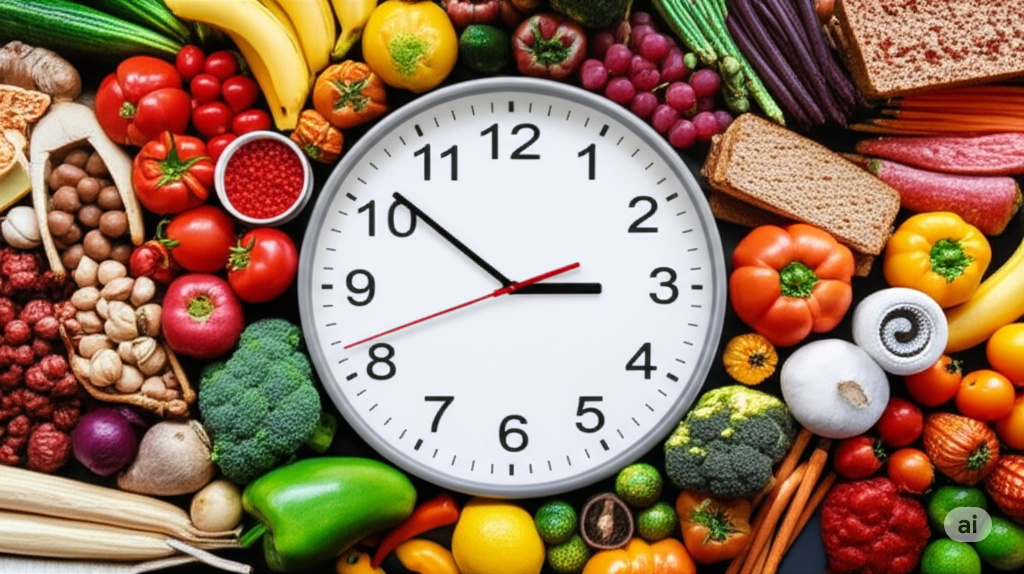
Meal planning is your best friend here. Sit down once a week and map out what you want to eat. Now, I know you might be rolling your eyes, thinking, ‘It sounds tedious and boring,’ but hear me out. Having a plan means you’re less likely to splurge on last-minute takeout. Plus, when you plan your meals, you use up what you already have in your kitchen, which cuts down on waste. And trust me, nothing burns more than having to throw out food that just rotted away in your fridge.
Think about what’s in season, too! Seasonal produce is often fresher and way cheaper. If you’ve ever found yourself paying $4 for berries in the off-season, you know what I’m talking about! Veggies and fruits like zucchini, cabbage, or squash can be incredibly versatile. Not sure how to use that cabbage? Toss it into a stir-fry, or make a big batch of soup — it’ll last all week!
In my experience, trying to stick to a flexible grocery budget will help you get a feel for where you can save. Maybe you splurge a bit on those organic eggs one week, and swap them out for regular ones next week to balance things out. It’s all about finding that rhythm. So, to wrap this section up, write a list, hit the produce aisle, and remember: it’s totally okay to try new recipes even if some flop. That’ll happen — just embrace it! Save the takeout for those weeks you’re just too swamped. It can be a lifesaver for sure.
The Importance of Meal Planning
Meal planning isn’t just a trend; it’s a gateway to a healthier lifestyle on a budget. With the cost of groceries fluctuating, knowing exactly what you need each week can save you heaps of cash. Plan meals around ingredients that are on sale and get creative with leftovers! Those roasted veggies? They can be transformed into a hearty soup or added to a salad the next day.
Smart Grocery Shopping: Your Guide to Savings
Let’s chat about grocery shopping because, boy, it can be the ultimate battleground for budget-friendly eating. Look, I’m pretty sure I’ve spent the equivalent of a small country’s GDP wandering aimlessly down the grocery aisles. But I’ve learned a thing or two that can help you avoid that. First off, consider shopping at farmers’ markets or discount grocery stores like Aldi or Lidl. These places often have local produce at rock-bottom prices.
You might think, ‘But aren’t those stores only for poor folks?’ Well, here’s the deal: there are some hidden gems you can find if you’re willing to explore! Like, ever tried organic apples from a local vendor? Mind-blowing. Trust me, your tastebuds and wallet will thank you.
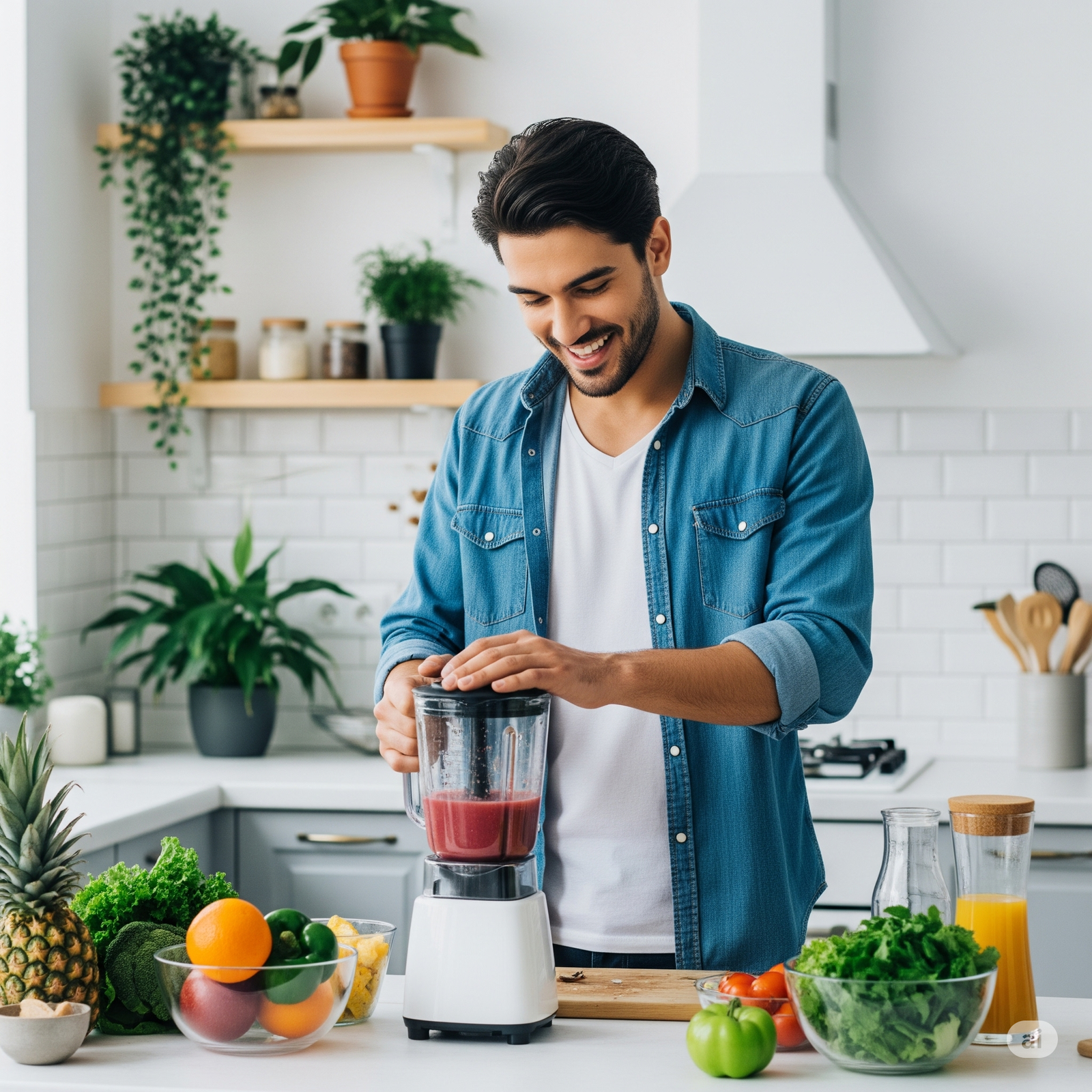
Also, get comfortable with frozen fruits and veggies. Seriously, these are sometimes even more nutritious because they’re frozen right after picking. Plus, how great is it to not have to worry about leftover limp spinach in your fridge? If you’re like me and can’t eat a whole batch of fresh food before it spoils, frozen is a game-changer. You can just grab a handful and toss it into your smoothie or stir-fry. Boom! Instant nutrition.
Another thing I do? I avoid the center of the grocery store. That’s where all the processed foods are hanging out, like they threw a wild party and forgot to invite the healthy stuff. Stick to the periphery where the fresh produce, meats, and dairy live. And let’s not forget about bulk bins — they’re pretty much the treasure chests of the grocery store. You can find grains, nuts, and dried fruit for way less if you buy in bulk!
Here’s a real-life example for you: last month, I got a 5-pound bag of oats for $4 — that’ll last me for ages! I make overnight oats, oatmeal pancakes, and use them in baked goods. Talk about multi-tasking food! So next time you’re shopping, channel your inner ninja, strategize your course, and cut down on those impulse buys — your bank account will rejoice.
Finding Deals and Discounts
Be on the lookout for store promotions, loyalty programs, and coupons. Signing up for a store’s newsletter can give you updates on sales and discounts before they hit the aisles. These savings can add up quickly and keep your budget in check. Many grocery stores also have apps that display weekly specials. Use them! It’s like having a treasure map to find healthy food for less.
Cooking at Home: Healthier and More Affordable
Here’s the hard truth: if you want to eat healthy on a budget, you’ve got to embrace your kitchen. Now, don’t freak out — cooking can become your secret weapon, and let’s be honest, it’s way easier than you think. When I first started cooking, I burned more things than I care to admit. There was that one time I tried to make quinoa and ended up with a mushy disaster. Lesson learned, but hey, I can whip up a mean stir-fry now!
Cooking at home saves a ton of money and allows you to control what goes into your meals. Think about it: a meal prep service can cost $10 or more per meal. On the flip side, you can make a full pot of delicious chili for about the same price — and it’ll feed you for days!
One of my favorite tricks is batch cooking. I dedicate a couple of hours on the weekend to make big soups, stews, and casseroles. It’s a total lifesaver when the week gets hectic. I can just heat up a portion, and I’m good to go! And here’s the kicker: home-cooked meals are usually healthier than takeout. You can adjust spices, cut down on the salt, and sneak in those veggies without even noticing they’re there. For me, it’s all about finding recipes that keep my taste buds happy and my belly full.
Ever wondered about those food bloggers who throw an extravagant spread together? The secret? Simplicity! Don’t feel pressured to make something fancy. A simple pasta dish with veggies can be a winner. Pro tip: add a drizzle of olive oil and your choice of herbs, and it’ll taste gourmet!
The bottom line is, cooking doesn’t have to be expensive or time-consuming. With just a few basic, versatile ingredients, you can create meals that nourish your body while keeping your wallet happy. I love experimenting with different cuisines, too. Just because you can’t go out doesn’t mean you can’t travel in your kitchen — whip up a taco night or a Thai curry while you’re at it!
Batch Cooking for Busy Weeks
Batch cooking is a game-changer for busy people who want to stick to their budget. By preparing larger quantities of food and storing it in portions, you create quick meal options for the week ahead. Soups, stews, and even grains can be cooked, frozen, and reheated without much hassle at all!
Smart Snacking: Eating Healthy Between Meals
Now, let’s take a minute to talk about snacking because, let’s face it, we all love a good snack. The challenge is doing it in a way that doesn’t wreck your budget or nutrition plan. I remember a time when I could mow through chips like they were going out of style. But those store-bought snacks can get pricey, and they often don’t do much for you health-wise. I’ve since figured out how to prep my snacks ahead of time — it’s a total lifesaver!
One of my go-to snacks is homemade popcorn. Seriously, it’s so cheap. A bag of kernels costs just a couple of bucks and gives me several bowls of snacks! I throw some spices on there, and boom, I have a movie night treat without the guilt or the price tag of the theater.
Another idea is to set aside some fruits and veggies. Carrots with hummus or apple slices are fantastic and affordable. A great way to jazz them up is to add a little dip — like a simple homemade yogurt dressing. Think cucumber slices with tzatziki or bell peppers with a bean dip. Honestly, these snacks help curb hunger without blowing your budget.
I’ve also discovered the joy of making energy bites. They’re a perfect blend of nuts, oats, and a touch of honey rolled into little meal-sized balls. You can make a batch for about $5 and get at least 20 servings! Perfect for those days when you’re on the go and need a little pick-me-up without the junk.
The bottom line? Snacking smartly doesn’t have to drain your bank account. It’s all about planning and keeping it simple. Plus, when you satisfy that craving with something nutrient-dense, you’re setting yourself up for better health while also keeping your wallet full. You don’t have to give up convenience — just be a little bit clever about it!
Ideas for Healthy Snacks
Prepping snacks at home can be incredibly cost-effective. Keep a stash of nuts, yogurt, fresh fruits, and even homemade granola bars on hand. Not only are they healthier than their processed counterparts, but they’re also easy to make in bulk. You’ll never be caught starving between meals again.
Staying Inspired: Eating Healthy Long-Term
Keeping the motivation to eat healthy on a budget can be tough; we all go through phases. It’s super easy to fall back into unhealthy habits, especially when life gets busy. I learned that staying inspired is key to making long-lasting changes. For me, that’s meant discovering new recipes and cuisines. Trying out a new dish every week keeps things fresh and exciting! Ever thought about making homemade sushi? It’s way cheaper than take-out, and it’s a fun way to get family or friends involved.
Don’t forget about community resources. Your local food co-ops or community gardens are fantastic places to connect with others in the same boat. You can learn tips, swap recipes, and even trade produce. Plus, you might score a deal on local veggies! It’s a win-win.
And let’s not forget about those DIY projects. Ever tried fermenting your own veggies? Sounds complicated, but my friend showed me how to ferment cabbage, and it’s incredibly easy. Plus, you’re adding probiotics, which are super good for your gut health. It makes you feel like you’re some culinary wizard, even though it’s just salt and time!
In my opinion, the key to maintaining a healthy diet on a budget is to keep things interesting. Explore new flavors, challenge yourself with new recipes, and don’t fear failure in the kitchen. Remember, the more you experiment, the better you’ll get!
So when that Monday rolls around and your meal plan feels stale, shake things up. Turn it into a themed night, like Taco Tuesday or Pasta Night! You could even have fun and see what you can create with what’s about to expire in your fridge. You’ll uncover amazing combinations you hadn’t thought of. So keep that excitement alive — and your healthy eating will become a sustainable part of your everyday routine without breaking the bank!
Finding Inspiration in Your Community
Joining a local cooking class or nutrition group can inspire you and provide new ideas for healthy meals. Plus, many community centers offer cooking demos that can ignite that passion for cooking and wellness. Engaging with others who are on the same journey can help keep you motivated and excited about meal prep!



Leave a Reply