

Key Points
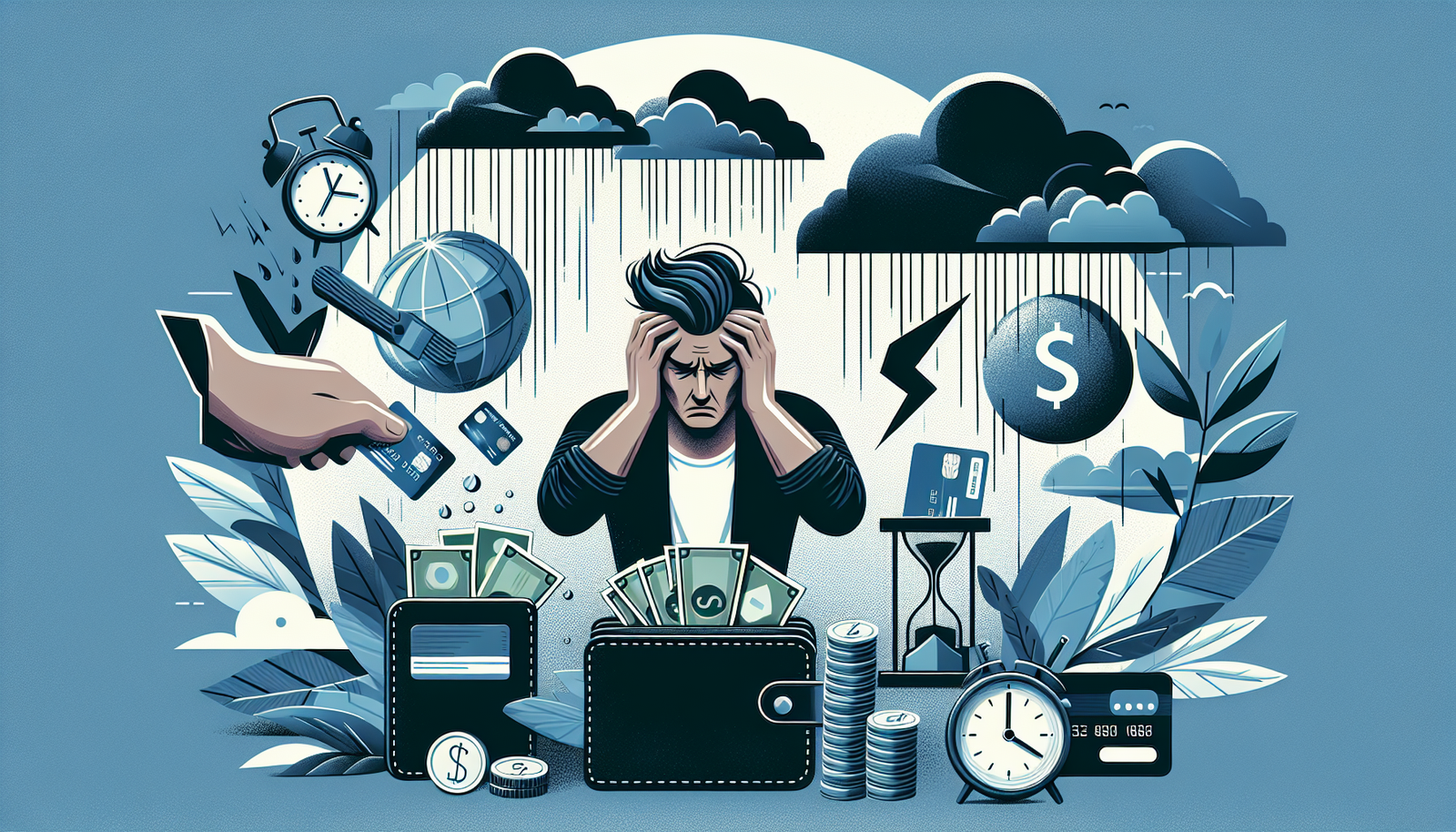
- The Emotional Impact on Spending: Discover how stress triggers impulse purchases and affects financial decision-making.
- Common Stressors That Lead to Over-Spending: Examine everyday stressors, from work to relationships, and how they influence our buying behavior.
- Coping Strategies for Healthier Spending: Learn practical tips to manage stress and improve your spending habits.
The Emotional Rollercoaster: How Stress Fuels Impulse Spending
Life’s a wild ride, isn’t it? We all go through periods of increased stress, whether it’s from work-related deadlines, family responsibilities, or just the daily grind. Here’s the deal: when life’s challenges pile up, many of us find solace in retail therapy. I’ve been there—a tough week at work often leads me to pop into a local store, thinking a little retail indulgence will lift my spirits. But here’s the twist: while a shiny new gadget or those killer shoes might provide a fleeting happiness, it can also land us in a financial mess if we’re not careful.
Studies show that stress activates our brain’s reward center, pushing us toward behaviors that, ironically, can make us feel worse in the long run. A 2018 study pointed out that stressed individuals are more likely to make impulsive purchases, often to soothe feelings of anxiety or unhappiness. Sound familiar? You might find your credit card bill creeping up just as life feels a bit overwhelming.
The truth is, emotional spending is more common than many want to admit. Remember that time you splurged on a fancy dinner because you had a rough day? Or how about the last-minute splurge during a bad week at work? It turns out that for many, these emotional purchases are coping mechanisms. While it can feel good momentarily, that surge of happiness is often short-lived, as soon as that guilt kicks in when the bills arrive.
So, how do we reign in this cycle? First off, recognizing that spending might be tied to our emotional state is a big step. Reflecting on our purchases can make a world of difference. Whenever I find myself about to click ‘buy now’ on something I don’t really need, I take a second to pause and ask, ‘Am I really in need of this, or is it just my stress talking?’ Simple questions like these can help us shift our mindset and reshape our spending habits.
Taking a step back from impulse spending not only improves our finances but also encourages healthier coping methods. Instead of reaching for that new jacket when I feel overwhelmed, I might go for a walk or meet up with a friend for an uplifting chat—less costly and way more beneficial in the long run.
Understanding the interplay of stress and spending habits is crucial. It’s about creating balance, finding healthier outlets for stress, and ultimately keeping our wallets intact. Next time you feel inclined to make a stress-fueled purchase, just remember: that quick fix may come with a hefty emotional price tag later on.
Understanding Emotional Triggers
It’s valuable to dig deeper into what triggers our emotional spending. For many, work stress is a biggie. Long hours, tight deadlines, or feeling undervalued can lead to a splurge on things we don’t really need. Sometimes, it’s just about creating a moment of joy in an otherwise daunting day. However, it’s essential to differentiate between what’s a need and what’s simply a want triggered by external pressures.
Stressors You Didn’t Know Were Ruining Your Budget
Just when you think you’ve mastered your budget, life throws curveballs that disrupt everything. Stressors are everywhere, from major life events to the small, nagging issues that seem to pile up. Let’s break down some common culprits that mess with our financial heads. Ever had a work project go sideways? It’s not just your stress levels that spike—your spending often follows suit.
Think back to those days when you were burning the midnight oil, feeling frazzled and underappreciated. You might have found yourself treating yourself to that overpriced coffee or ordering takeout more frequently, thinking it’s just a little reward for all the hard work. It’s perceived self-care, but it can seriously add to your expenses without you even realizing it.
Relationships can also affect our finances. I remember a friend once told me that after having a squabble with her partner, she felt a strong urge to splurge on new kitchen gadgets. She rationalized it as a way to create a cozy home atmosphere to mend their relationship. But in reality, it became a costly habit. Stress and heartache can lead us to seek comfort in material goods, even if they only offer temporary relief.
Look, we’re all human. We seek joy, and sometimes spending can feel like the quickest path to happiness. But being aware of what’s driving those decisions—whether it’s routine stress or deeper emotional issues—is key to breaking free from those habits that bite us in the wallet. Keeping track of expenses while being mindful of our emotional state can help in making more conscious choices.
Also, let’s not forget about health-related stressors. Increased medical bills or worrying about health outcomes can trigger unnecessary spending in an effort to cope—perhaps purchasing a flashy supplement or the latest fitness gadget, believing they’ll ease our stress. This creates a cycle where you’re already stressed about finances while trying to alleviate health-related concerns. In my experience, reflecting on stressors and recognizing the link between your feelings and spending patterns is a step towards more responsible choices.
Handling Unexpected Life Changes
Big life changes—like moving cities for a job, a breakup, or even the joy of a new baby—can send our spending habits spiraling. While these changes can be exciting, they often come with new stressors and potential financial strain. Planning ahead and budgeting for these transitions can avert some of the impulse desires that come with navigating through life’s ups and downs.
Healthy Coping Strategies to Combat Stress and Spending
Alright, we’ve dissected the relationship between stress and spending habits. Now what? How do we tackle this problem head-on and regain control over our finances while keeping stress at bay? The first thing I can’t stress enough is the power of mindfulness. (See what I did there?) Seriously, when you take a moment to think before you buy, you’re already on the path to healthier spending.
Try keeping a journal or using a budgeting app that tracks your emotional and spending patterns. I’ve done this, and it’s eye-opening! Sometimes, seeing how closely my spending aligns with my mood really puts things in perspective. You know, ‘Hmm, I spent way more last month when work was overwhelming.’ This simple act makes it easier to spot those connection points and ultimately work on addressing the root of the issue.
Creating a support system is another valuable strategy. Have a friend who’s also interested in managing their finances? Lean on each other! Establishing an accountability partner can help both of you resist temptations—truthfully, who doesn’t want to splurge occasionally? Sharing your goals can foster the motivation to stick with your financial plans. And don’t forget to celebrate small victories; treating yourself doesn’t have to mean breaking the bank!
Let’s chat about finding healthy outlets for stress. Instead of hitting the mall, how about focusing on hobbies? Do you enjoy painting, running, or gardening? Losing yourself in a creative project can serve as a therapy session all its own. I’ve found that picking up a paintbrush really helps clear my mind, all while keeping my pockets safe from unwanted purchases. Plus, you’re growing skills or unwinding in a productive way.
Lastly, don’t shy away from seeking professional support when stress feels overwhelming. Sometimes it’s hard to figure everything out alone. A financial advisor or a therapist specialized in money issues can guide you through the hurdles. Even just talking about these feelings can help clarify what the paths ahead look like. Remember, it’s okay to reach out for help.
Finding ways to balance stress and spending habits isn’t just about saving money; it’s about creating a more fulfilling life overall. With the right strategies, you can navigate through the emotional mazes of spending and emerge healthier and wealthier.
Importance of Setting Boundaries
Setting boundaries is also crucial. Whether it’s limiting your online shopping time or establishing a monthly limit for discretionary spending, creating these boundaries helps you remain in control. This way, when stressors arise, you’ve already equipped yourself with strategies that promote healthier habits without sacrificing your budget.
Finding Balance: A Journey Towards Healthier Spending
Let’s face it—the journey of managing stress and our spending habits is ongoing. It’s not a one-and-done situation; it’s more like a rollercoaster with its ups and downs. However, understanding the intricate relationship between these two areas is vital for our overall well-being. Look, investing in your emotional health can lead to remarkable changes in how you see and manage money.
Being proactive about recognizing when stress hits allows you to choose healthier responses rather than impulsively reaching for your credit card. With each small step you take—whether it’s journaling, sharing your experiences, or even trying to tackle anxiety through physical activity—you’re paving the way for improved financial stability.
In my experience, people often overlook the connection of emotional well-being to financial health. Once you identify the patterns in your spending and stress, you’ll start feeling empowered to rewrite your financial narrative. Incorporate mindfulness into your daily routines. Start small, maybe with five minutes of meditation or creating a dedicated time to check your finances each week. You’ll be surprised by how this can help clear your mind and build a positive relationship with money.
Remember, finding balance doesn’t mean living a life devoid of splurges. It’s about enjoying those splurges mindfully and understanding their impact on your overall financial health. By becoming aware of your triggers and implementing strategies to mitigate them, you’ll be on your way to healthier habits—in both life and finances.
Just like any journey, recognize that progress might come with bumps along the way. But hey, isn’t that what makes us human? We learn, adapt, and grow. So here’s my challenge to you: the next time stress hits, pause before pulling out your wallet. Challenge those urges and see what healthier alternatives you can explore. You got this!
Continual Reflection and Adapting Methods
Maintain a routine of reflection—think about your spending and emotional health regularly. Just as our stressors evolve, so should our strategies to cope with them. Adapting our methods based on what we learn from each experience will help ensure we stay resilient and financially responsible.





Leave a Reply