

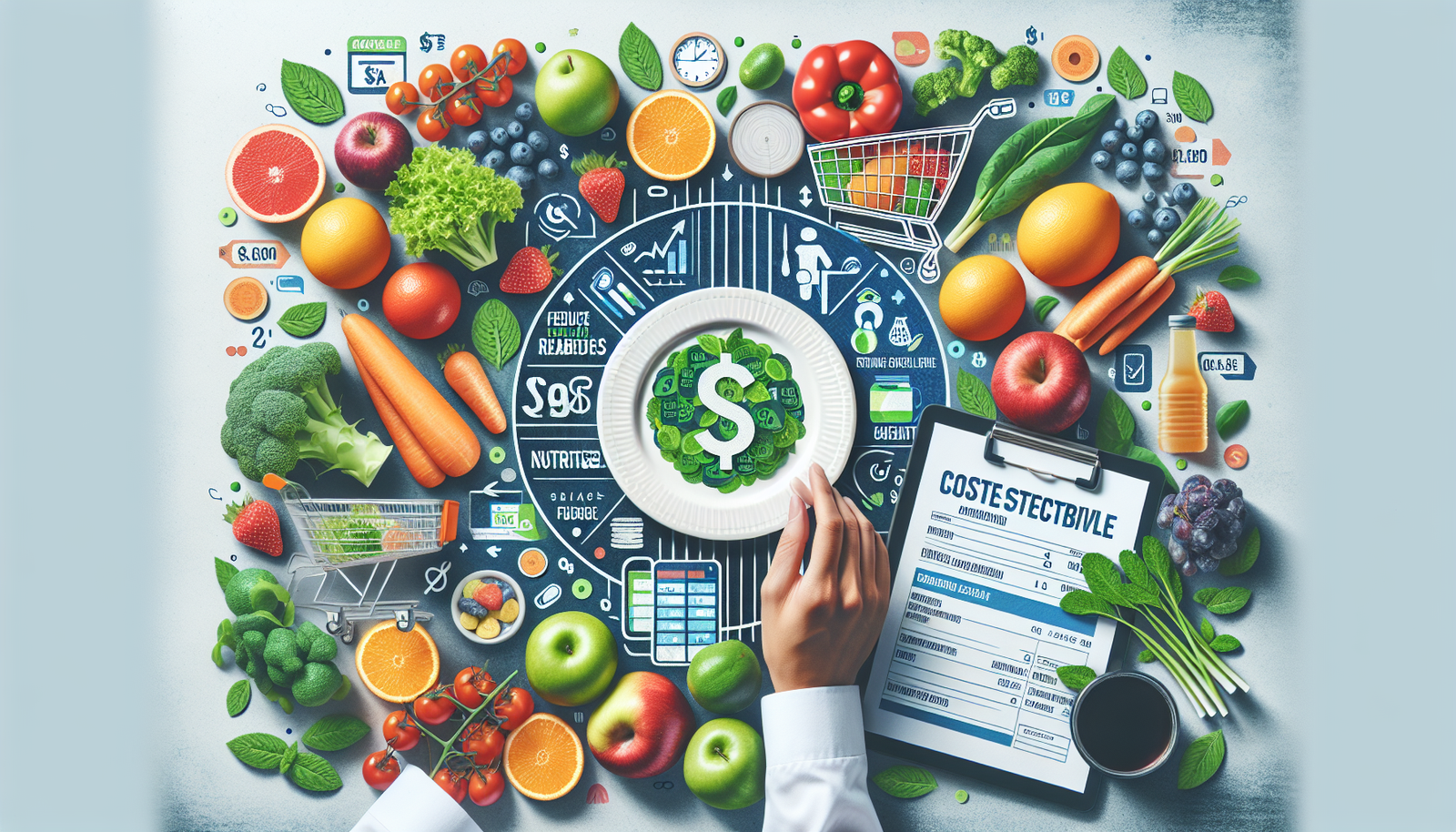
Key Points
- Maximizing Your Budget: Learn how planning and buying in bulk can greatly reduce food costs while keeping your meals nutritious.
- Smart Grocery Shopping: Discover the art of grocery shopping with a focus on seasonal produce and local markets.
- Healthy Cooking Hacks: Explore simple, cost-saving cooking tips that make prepping healthy meals easy and affordable.
Maximizing Your Budget
Look, we’ve all been there—staring at a grocery bill that could practically pay for a nice dinner out. If you’re trying to eat healthy on a budget, it feels like you’re caught between a rock and a hard place. But here’s the deal: with a little planning, you can make cost-effective healthy eating work for you. First off, meal prep is your best friend. I can’t stress that enough. Block out some time each week to prepare meals in advance. It’s not just about saving time; it’s about saving money too. When I started meal prepping, I found I spent at least 30% less on groceries because I wasn’t impulse buying. My weekly meal plan often consisted of grains, seasonal veggies, and a protein or two. These staples are generally cheaper when bought in bulk. And don’t forget about frozen fruits and veggies. They’re often just as nutritious as fresh, and they last ages in your freezer. Trust me, a $3 bag of frozen berries can make smoothies for weeks!
Look for sales and markdowns at local grocery stores, especially for items that are nearing their expiration date but still perfectly good to eat. For example, I snagged a few pounds of ripe tomatoes last week for just a dollar. They became the base for a killer salsa and some homemade marinara. And here’s a pro tip: always keep an eye on grocery store flyers and apps. You can rack up great deals and save a fortune without sacrificing your health. Now, let’s talk about diversifying your protein sources. Plant-based proteins can stretch your dollar further than fancy meat cuts. Lentils, beans, and chickpeas are not just nutritious; they’re also incredibly cheap. Cooking a big pot of lentil soup every Sunday has literally saved my life—and my wallet. Think about it: you can enjoy bowls of hearty soup all week long for about $5!
When you start to view eating healthy as an investment—not a cost—you’ll see it in a whole new light. You’re not just buying food; you’re investing in your health and future. And as your habits change, your food bill will improve, and those savings can really pile up.
The Power of Planning
Planning out your grocery list and meals for the week doesn’t just save money; it keeps you from eating junk when you’re starving. Ever found yourself wandering the grocery aisles, mindlessly tossing snacks into your cart because you don’t know what else to grab? Yep, been there. By planning ahead, you give yourself clear direction and purpose. Plus, it helps you discover new recipes you might not have tried otherwise. Spice things up, experiment with ethnic cuisines, or even take a cooking class at your local community center!
Smart Grocery Shopping
So here’s the thing: grocery shopping doesn’t have to break the bank. Ever wondered why we often buy things we don’t need? It’s simple—most of us aren’t shopping smart. Creating a list is a great start, but knowing where to shop can save you even more. Farmers’ markets can be a goldmine for fresh produce and local goods, often at a fraction of the price you’d pay at a chain store. A few weekends ago, I meandered through my local farmer’s market and grabbed a basket full of tomatoes, herbs, and squash, all for $15! That’d easily run me $30 or more at a grocery chain. Plus, when you buy local, you’re also supporting your community. And who doesn’t love that?
Look for seasonal fruits and vegetables. They’re generally cheaper and taste way better than imported ones. Strawberries in March? No thanks; I’d rather wait until they’re in-season in June when they’re bursting with flavor. Now, when you’re at the grocery store, check out the perimeter first—fresh produce, meats, and dairy are usually found there. The inside aisles? That’s where the processed foods live. You’re gonna want to skip those for the most part if you’re eating healthy on a budget. Remember, the goal here is to eat real food, packed with nutrients, and avoid the traps of overly packaged, expensive items.
And here’s my secret weapon: loyalty programs. Those points can stack up and give you discounts or even free items. Hey, those extra savings can go a long way toward a little treat at the end of the week! It’s kind of like finding a technicality in a game you play and using it to your advantage. You put in a little effort, and boom—you’ve saved money without compromising on quality.
The Benefits of Buying Local
Aside from the savings, buying local means fresher produce and, often, a better flavor! In my experience, nothing beats the taste of a vine-ripened tomato from a local farm, especially compared to the travel-weary ones at the supermarket. Plus, supporting local businesses fosters community ties and does wonders for sustainability. You’re not just filling your fridge; you’re making an impact.
Healthy Cooking Hacks
Now, here’s the fun part: turning all those ingredients into tasty meals without spending hours in the kitchen! I like to think that cooking can—and should—be simple, not overwhelming. I once spent a whole Sunday trying to replicate some fancy dish I saw on TV. Spoiler alert: it backfired like a bad soufflé—too complicated and I ended up ordering takeout. The key to cost-effective healthy eating is making meals you enjoy without spending half your paycheck or wasting your entire day. Here’s a little strategy I’ve employed: batch cooking. You don’t need a MasterChef’s title; you just need the willingness to cook once, eat twice… or thrice!
Take, for instance, quinoa. It’s a nutritional powerhouse and super versatile. I’ll cook a big batch of quinoa on the weekend and use it in salads, stir-fries, and even as a breakfast bowl topped with fruit. It’s not just economical; it’s a time-saver. After a long day, the last thing I want is to slave over a stove. Having cooked grains and proteins ready to go takes away the temptation to grab something unhealthy when hunger strikes. And don’t overlook your freezer. Soups, stews, and casseroles freeze beautifully, so when you whip up a massive batch, you can enjoy the fruits of your labor down the road. If you’ve ever been in the position of staring in your fridge at 6 PM and realizing you have nothing to eat, you know the value of having a few homemade meals at the ready. Seriously, throw a few containers of soup in that freezer, and you’re golden.
Here’s another tip: use spices! They can transform even the most basic ingredients into a culinary delight. Why? Because no one wants to eat bland food. If you’re working with a hefty amount of veggies, a couple of herbs or spices can turn a simple stir-fry into a gourmet experience. And let’s be real: who wants to eat cardboard-tasting veggies? Not me! Eating healthy doesn’t have to mean sacrificing flavor; it’s all about creativity and simplicity.
Keeping it Simple
Cooking doesn’t need to be intricate or time-consuming. In fact, some of the best meals are downright simple. Ever tried a one-pan dish? Toss some protein, veggies, and seasonings together, pop it in the oven, and BAM—dinner is served! This way, you’re not only saving money but also cleanup time. It’s a win-win.
Building Long-Term Healthy Eating Habits
Alright, let’s dive into the big picture—cost-effective healthy eating is really about building sustainable habits. You see, it’s not just about pinching pennies; it’s about creating a lifestyle that keeps your health and wallet in check for the long haul. One of my best moves was keeping a food journal for a month. It seems tedious, but tracking what I ate helped me see what healthful choices I was making and where I was slipping. I started off with a spreadsheet, but keeping it simple with a notebook turned out to be more effective. I jotted down every meal, what I liked, and what I could improve on. And guess what? After a month, I managed to reduce my refined sugar intake significantly—and I didn’t even miss it! Who knew eating healthy could also help me save money?
Mindful eating is crucial here too. When you sit down, enjoy your meal, and chew your food slowly, you’ll feel fuller quicker. That means fewer snacks between meals and a smaller shopping list in the first place. Plus, let’s face it—this habit can add some zen to your day. Have you ever noticed how quickly kids inhale their food? They’re not savoring anything! Channeling a calmer, slower approach can not only lead to healthier eating habits but also help you discover those flavors you may have overlooked.
Community also plays a big role in sustainable habits. Finding a cooking group or a buddy to meal prep with can make the whole experience more enjoyable. You share recipes, swap ideas, and, honestly, accountability goes a long way in sticking to a budget and health goals. I forged a cooking partnership with my neighbor a couple of months ago, and it turned into a cooking club! We each pick a cuisine to explore, one night a week, and it’s been a game-changer.
Look, I get it: change takes time. But with small shifts, you can lay the groundwork for a healthier lifestyle that doesn’t feel restrictive or overwhelming. Every bit counts—every dollar, every veggie, every mindful decision. So quit stressing about how much you’re spending at the grocery store and start thinking about the ways you can invest in your long-term health.
Creating a Support System
We’re social creatures by nature. Having friends, family, or a community to lean on for support makes the journey easier. Whether it’s sharing recipes, going grocery shopping together, or just chatting about your challenges, building that network can fortify your healthy eating habits and keep you motivated to stick with it.




Leave a Reply